Melbourne’s famously unpredictable climate—hot summers, cold winters, and everything in between within a single day—makes energy efficiency a constant challenge for building owners. One often-overlooked culprit behind rising energy bills is the humble skylight. While skylights bring welcome natural light into homes and commercial spaces, they’re also one of the least insulated parts of a building’s envelope. This is where roof skylight covers in Melbourne are proving to be a smart, cost-effective solution for reducing heat loss and improving overall thermal performance.
The Hidden Energy Drain of Skylights
Standard glazing, even double-glazed units, conducts heat far more readily than insulated roofing or wall panels. During Melbourne’s cold months, warm indoor air escapes upward through skylights at a much faster rate than through insulated ceilings, forcing heating systems to work overtime. In summer, the reverse happens—unwanted solar heat pours in, driving up cooling costs. Installing quality roof skylight covers in Melbourne addresses both problems at once, creating an additional thermal barrier that limits heat transfer in either direction throughout the year.
How Skylight Covers Improve Thermal Performance
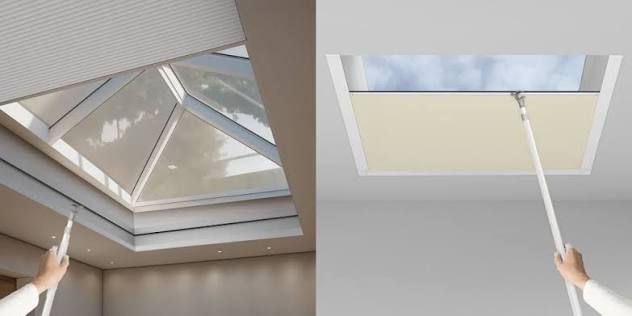
A well-designed skylight cover works by adding an insulating air gap between the cover and the existing glazing, similar to how double glazing reduces heat transfer in windows. Many roof skylight covers in Melbourne are also engineered with reflective or UV-resistant materials that reduce solar heat gain during summer while retaining warmth in winter. For building owners, this translates directly into lower energy bills, more consistent indoor temperatures, and reduced strain on heating and cooling equipment. It’s a relatively simple retrofit that delivers measurable results across the seasons.
A Growing Priority for Commercial Buildings
Commercial and industrial properties, in particular, are increasingly prioritising building envelope upgrades as energy costs continue to climb and sustainability targets become more prominent. Roof skylight covers in Melbourne are frequently installed alongside other roofline upgrades, including plant equipment access solutions, as part of a broader push toward energy-efficient, well-managed rooftops. When a building’s roof already requires maintenance access for other systems, it often makes sense to address insulation upgrades during the same project.
The Connection to Rooftop HVAC Systems
Heat loss through skylights doesn’t exist in isolation—it directly affects how hard a building’s heating and cooling infrastructure has to work. This is where the relationship between skylight covers and HVAC platforms in Melbourne becomes clear. Efficient HVAC platforms in Melbourne rely on stable indoor temperatures to operate at optimal efficiency, and reducing heat loss through skylights takes pressure off these systems, extending equipment lifespan and lowering maintenance frequency. Buildings that pair skylight covers with well-maintained HVAC platforms in Melbourne typically see a noticeable improvement in overall energy performance, since both systems are working together rather than compensating for each other’s shortcomings.
Practical Considerations for Building Owners
When planning a skylight cover installation, it’s worth considering factors like material durability, UV resistance, and compatibility with existing roofing systems. Engaging a specialist who understands both insulation performance and rooftop access requirements ensures the covers are fitted correctly without compromising waterproofing or structural integrity.
Final Thoughts
As energy costs rise and sustainability expectations grow, addressing heat loss at the source makes practical and financial sense. Investing in roof skylight covers in Melbourne, alongside efficient HVAC platforms in Melbourne, gives building owners a straightforward way to cut energy waste, improve comfort, and protect their equipment—all while making better use of the natural light skylights were installed to provide in the first place.